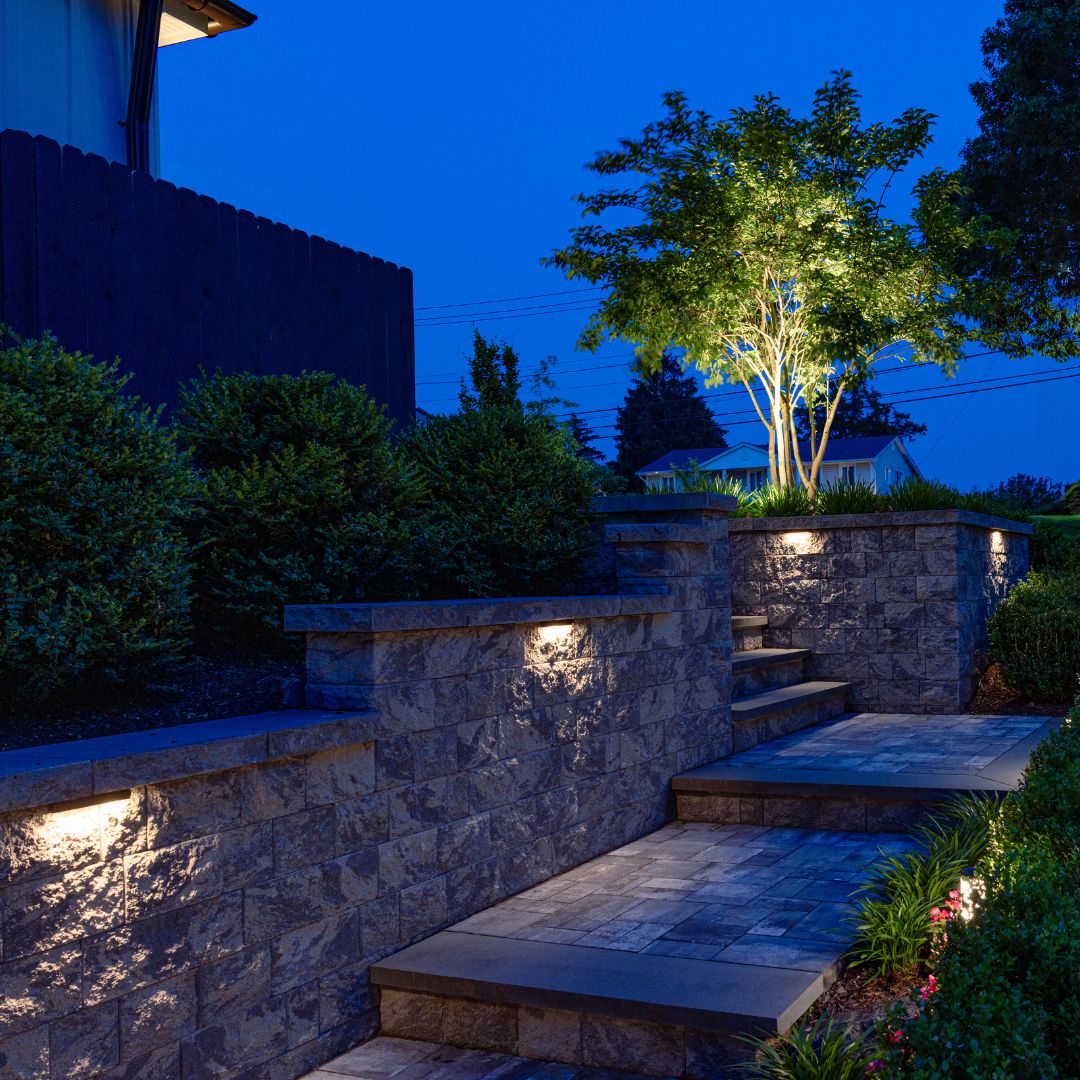
Low-voltage fence lights vs solar fence lights
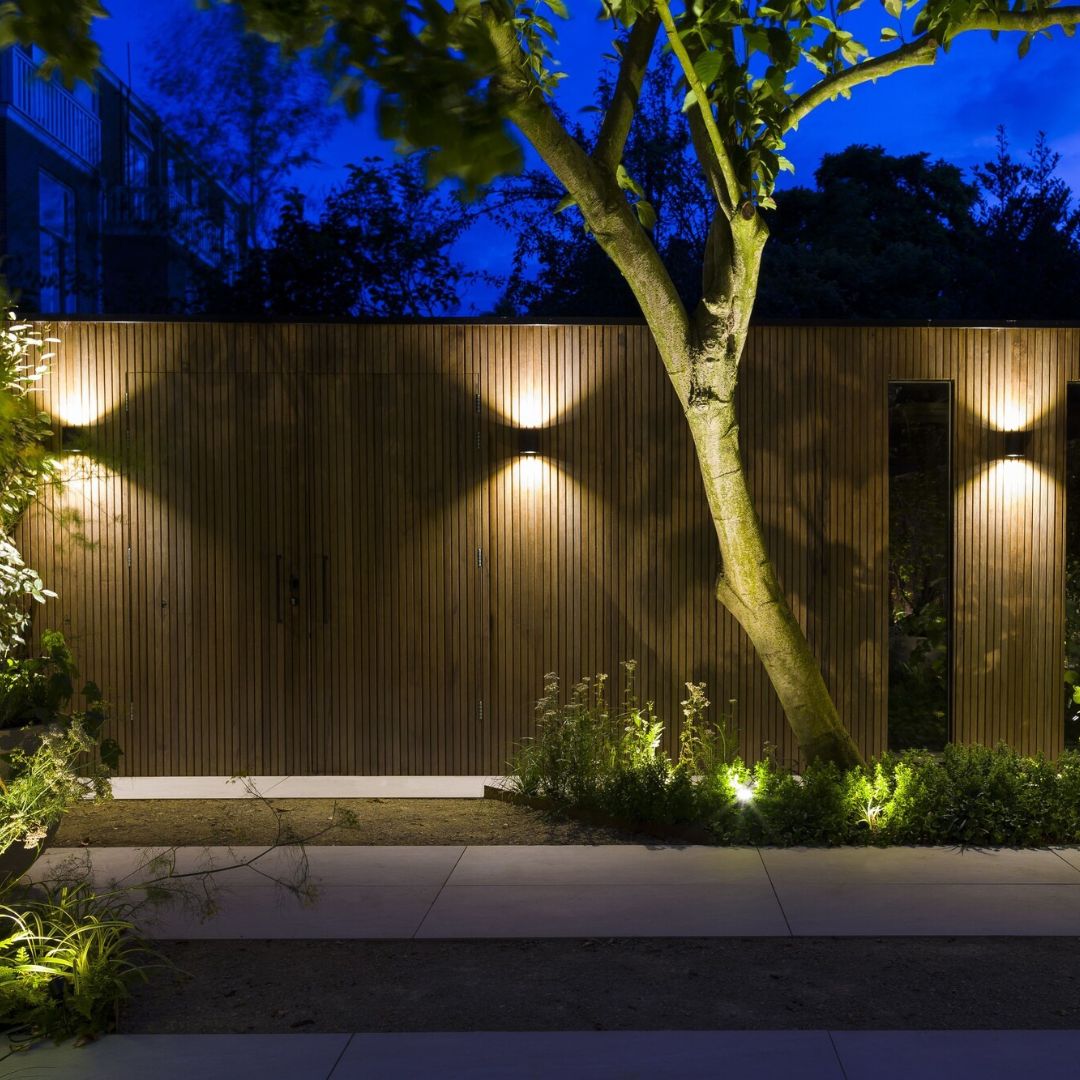
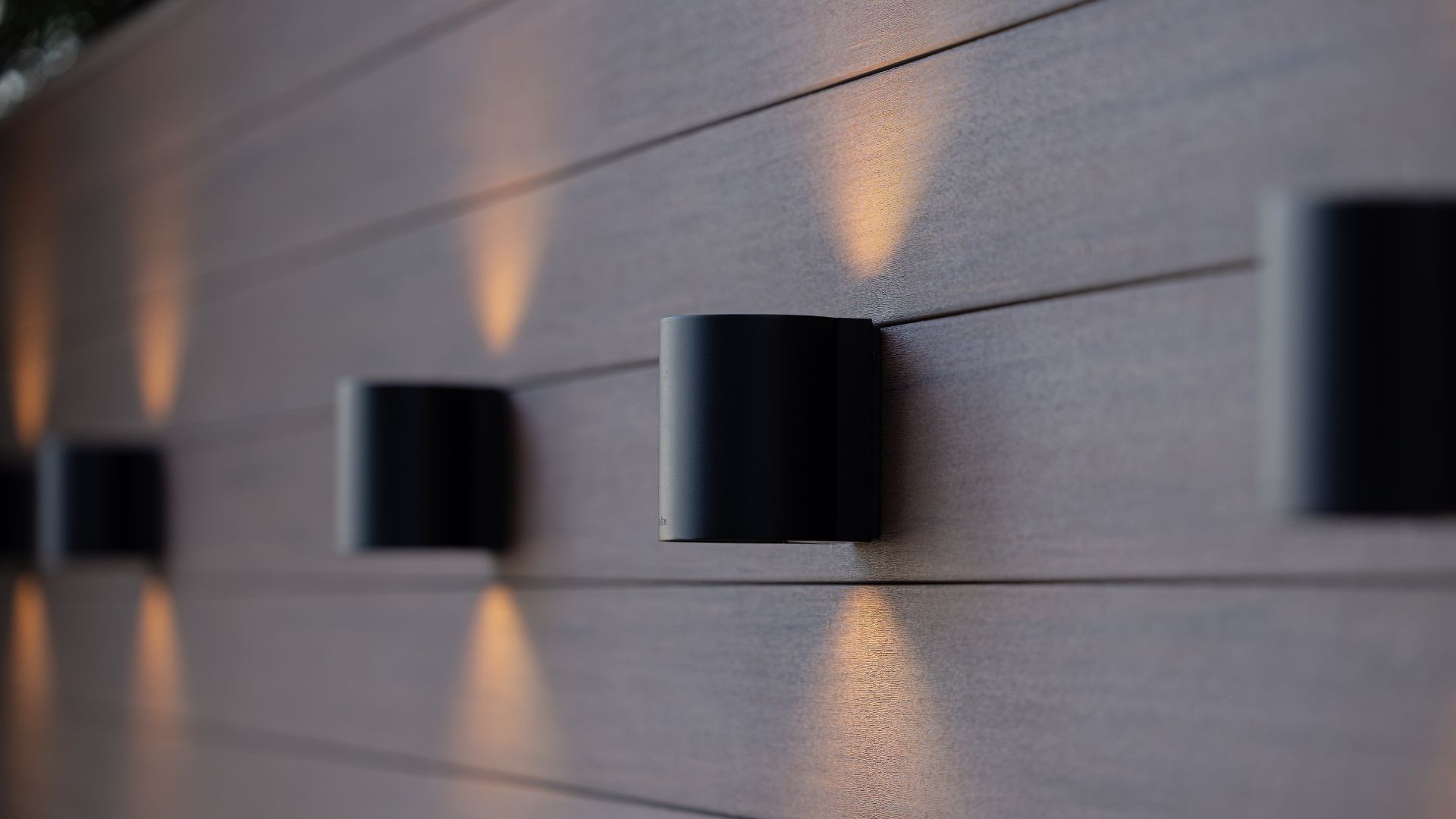
A 12 volt system keeps your fence looking the same every night. One transformer powers every fixture through a single cable, so brightness and light color stay consistent across the entire run, on the first night and years later. With SMART HUB, your fence lighting becomes part of the in-lite app: use Scenes to match the lighting to the mood of the evening, and use Routines to automatically turn the lights on and off at the times you choose.
Solar fence lights install in minutes with no cable and no transformer, which is a real advantage on a fence you may replace soon or where running cable is impractical. The downside is consistency. Each fixture depends on the amount of sunlight it receives that day, output can decrease as the battery ages, and individual lights may become less consistent in brightness and color over time.
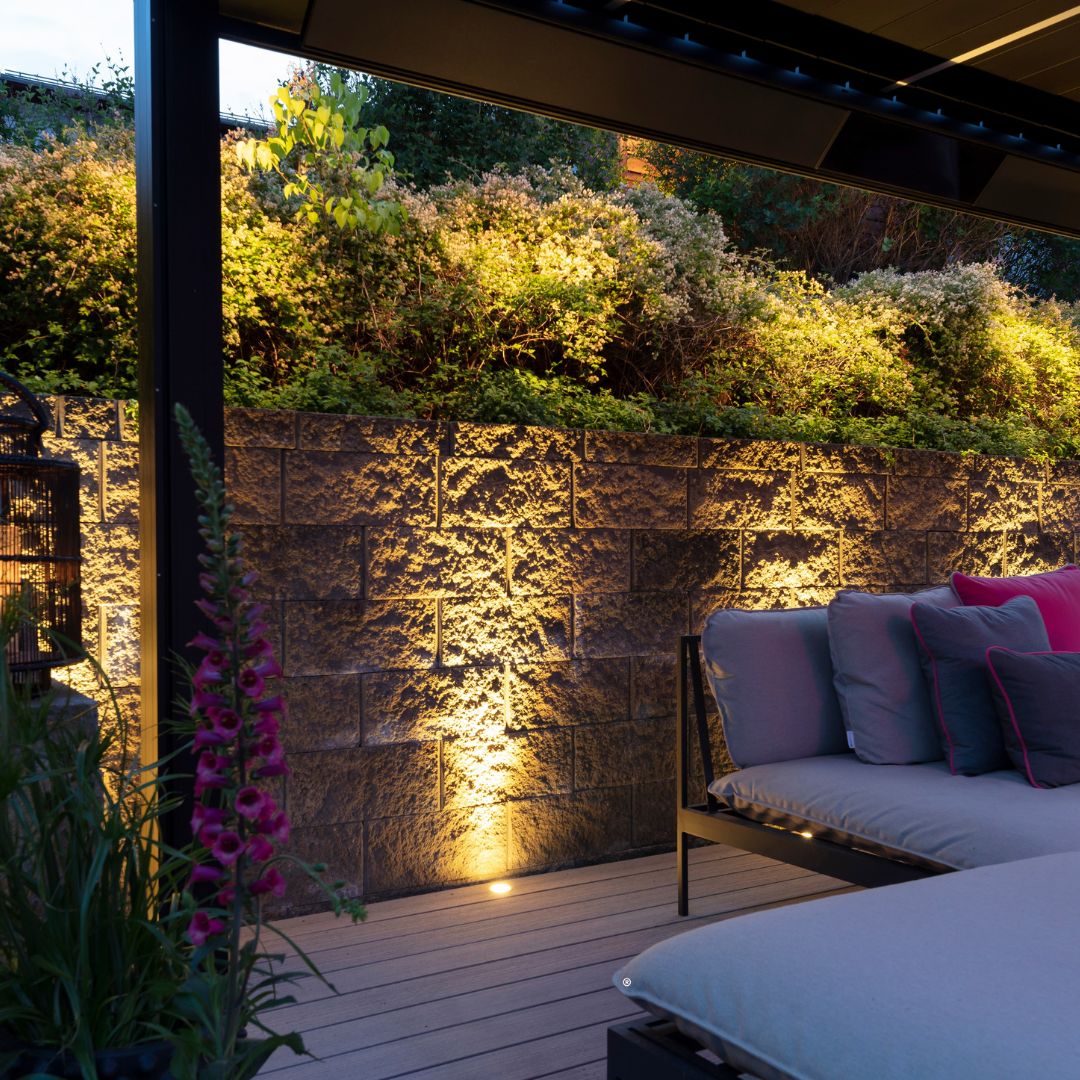
The trade-off with 12 volt is the need for cable, which runs along the base of the fence or just below the surface. In return, you get a complete lighting system rather than a collection of separate lights. Extend the same system into your planting beds, add fixtures as your backyard develops, control everything from one app, and keep it covered by a 5-year warranty.
Choose solar for a quick lighting effect on a fence you may replace soon, or where running cable is not practical.
Choose 12 volt when the fence is part of a backyard you plan to keep, when you want the fence lighting to match your path lights and spotlights, and when you want to control it from your phone.
A few in-lite wall lights, such as ACE DOWN 100-230V, are line-voltage versions for installations that are already wired for line voltage. Use the voltage filter on this page to find them.