Lighting Design and Layering
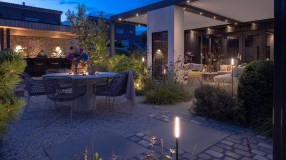
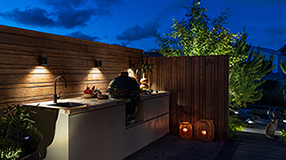
Professional landscape lighting is built in layers. A well-designed outdoor space uses multiple fixture types at different heights and angles to create depth, drama, and a sense of intention. Here are the two core techniques.
Uplighting vs. silhouetting techniques
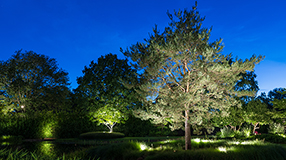
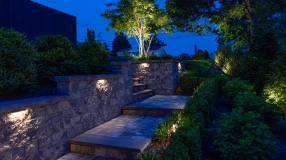
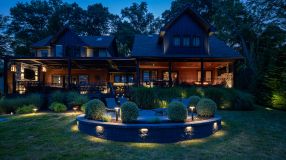
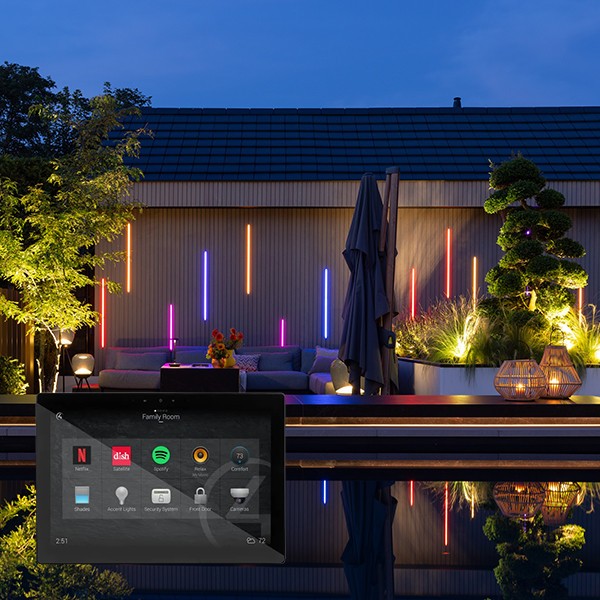
Uplighting places a spotlight at ground level pointing upward, creating a bright, dramatic effect that is well suited to trees, tall plants, and architectural features like columns or walls. The light source stays hidden while the subject is fully illuminated.
Silhouetting works the opposite way: a spotlight is placed behind the subject, pointing toward a wall or backdrop. The subject appears as a dark shape against a lit background, creating a graphic, architectural effect that works particularly well with sculptural plants, bare winter trees, or fence panels.
Both techniques are easily achievable within the in-lite 12V system using the AIM or SCOPE spotlight range, which offer the beam control and positioning flexibility needed for precise landscape lighting.
Strategic safety and aesthetic placement
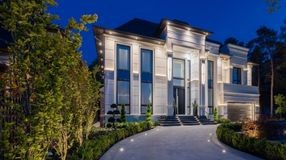
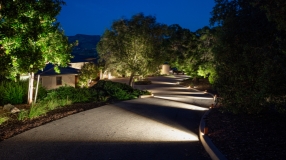
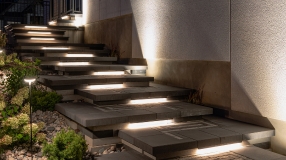
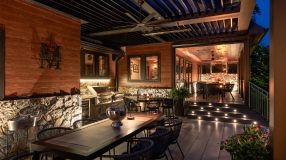
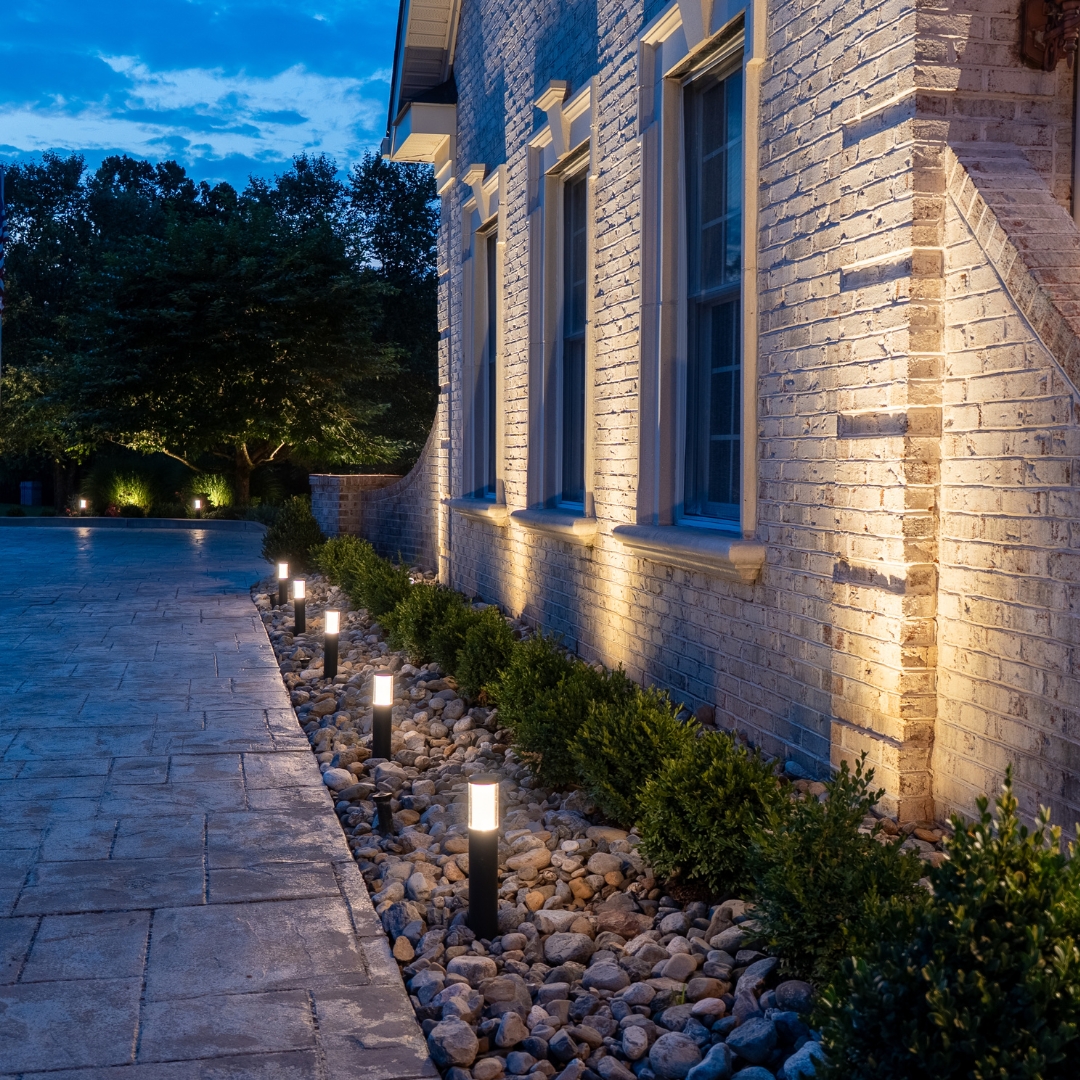
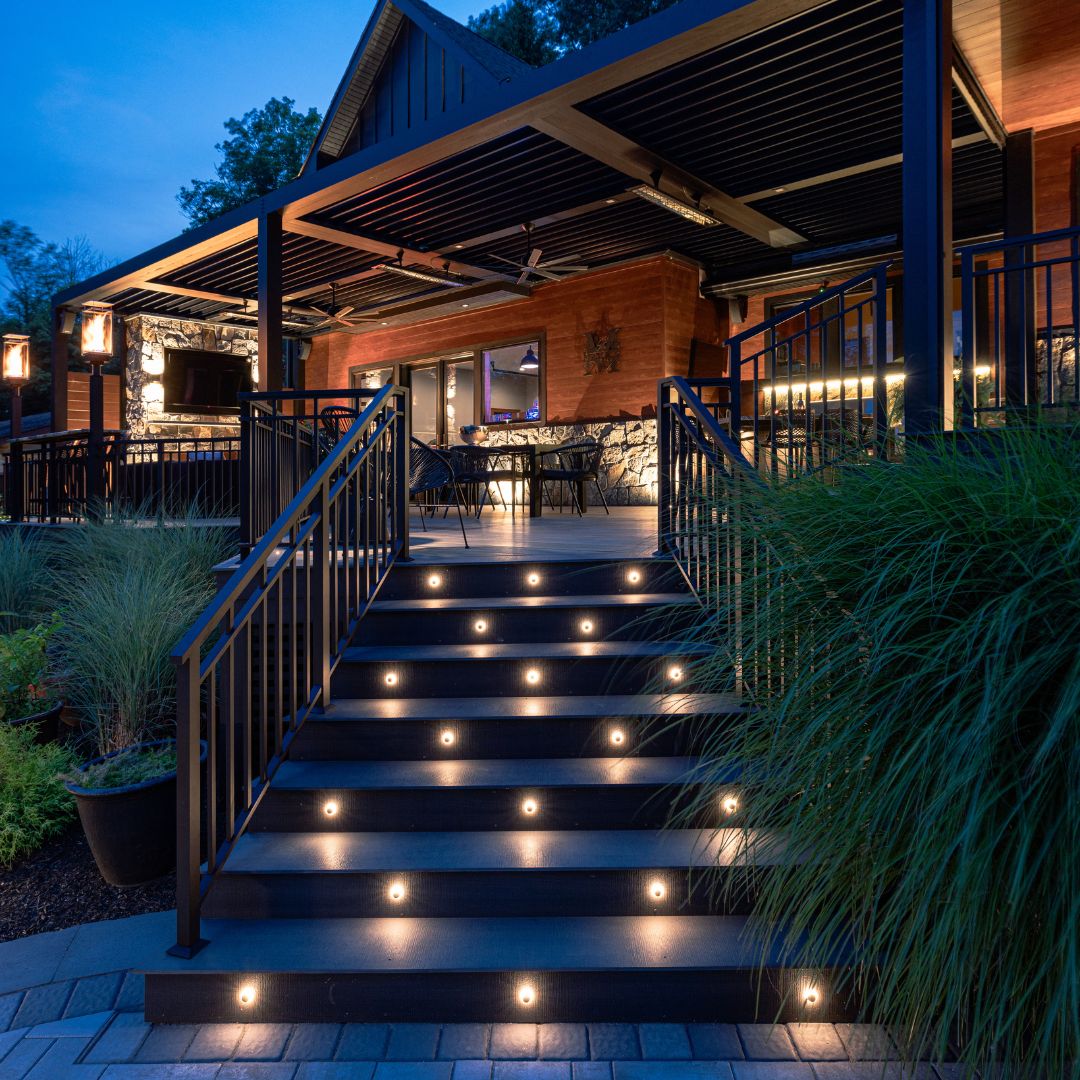
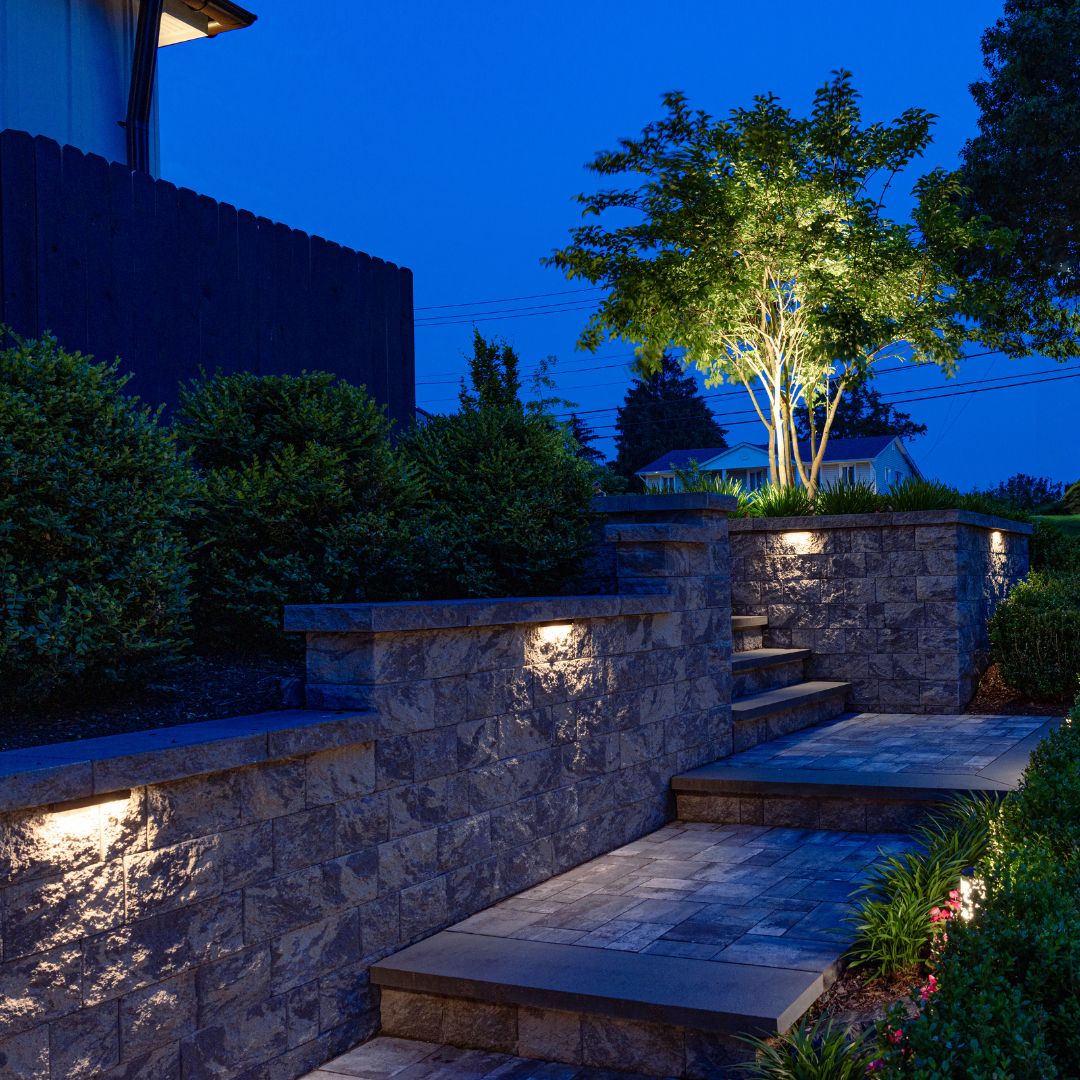
The most effective landscape lighting plans address both safety and aesthetics at the same time. Safety-critical zones, including steps, level changes, pathway edges, and driveway boundaries, should be lit first. These areas reduce the risk of trips and falls after dark, which is a genuine concern across Canadian properties from October through April.
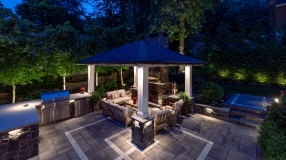
Once safety zones are covered, layer in accent and feature lighting to add depth and visual interest. Our lighting design service and installation tips pages walk you through the planning process step by step. For inspiration, explore the in-lite LAB portfolio, featuring completed landscape lighting projects from designers and landscape architects.